World Of Para Swimming
swimming is my life
A Champion’s Arena
Paralympic Swimming: A Champion’s Arena for Athletes with Disabilities
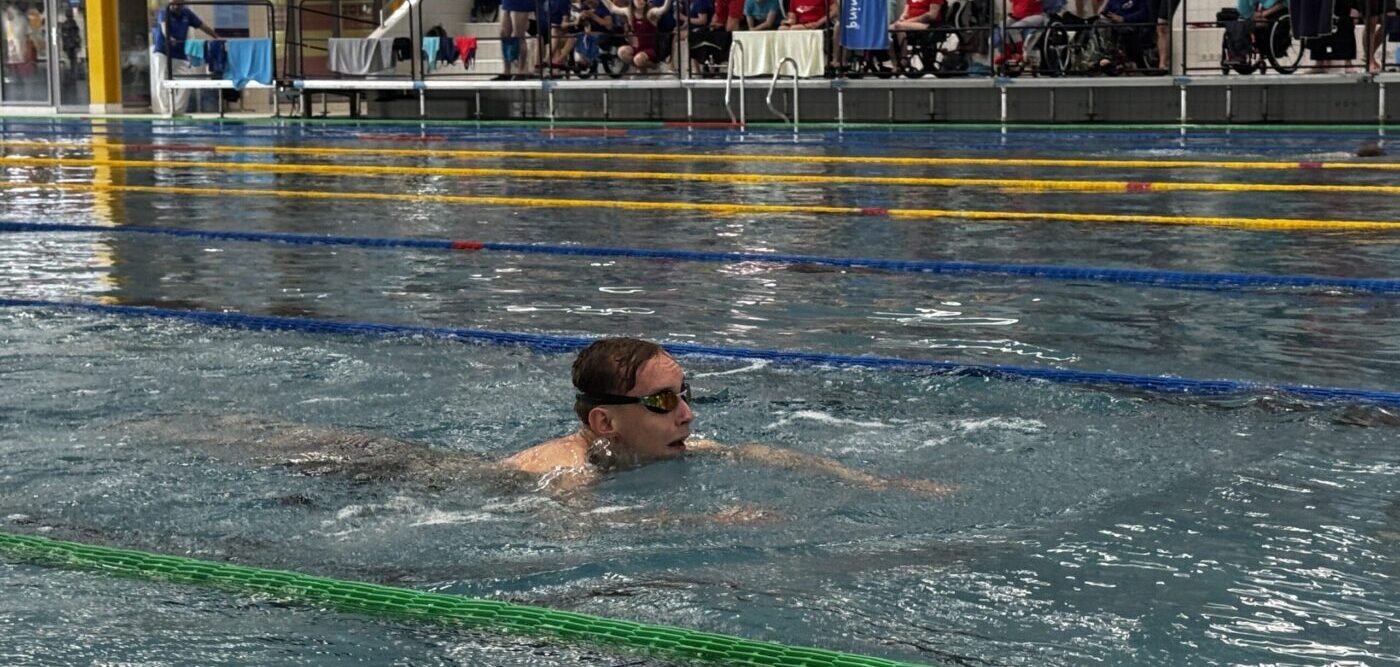
Paralympic swimming is an adapted form of competitive swimming that enables athletes with disabilities to compete on a global stage. Governed by the International Paralympic Committee (IPC), the sport follows a unique classification system that groups swimmers based on their functional ability to perform each stroke. This ensures fair and competitive racing among athletes with similar levels of ability.
Swimmers may have physical, visual, or intellectual impairments, and the rules of Para-swimming are modified to accommodate their needs. For example, athletes may choose between starting from a platform or in the water. Visually impaired swimmers use tappers or other signals to help them navigate turns and finishes.
First introduced at the inaugural Paralympic Games in Rome in 1960, Para-swimming was one of the eight founding sports. That year, only 77 athletes from 15 countries participated in swimming. Since then, the sport has seen tremendous growth, becoming one of the most popular and widely contested events in the Paralympic program. By the London 2012 Paralympic Games, the number of competitors had soared to 604 swimmers from 74 nations.
Among the sport’s greatest legends is Trischa Zorn of the USA, the most successful Paralympian in history. Over her career, she earned an astonishing 41 gold, 9 silver, and 5 bronze medals.
In addition to the Paralympic Games, the World Para Swimming Championships are held every two years. The 2015 edition, hosted in Glasgow, saw 580 athletes from nearly 70 countries compete across 152 medal events, further highlighting the sport’s global reach and rising popularity.
Fair Competition
Para Swimming Classification
Para swimming categories are designed to ensure fair competition among swimmers with different types and degrees of impairments. These classifications are governed by World Para Swimming (a division of the International Paralympic Committee).
Classification Codes
Para swimmers are grouped by functional ability, not just by type of disability. Each swimmer is assigned a class for each stroke:
Functional Impairment Classes
S1 / SB1 / SM1: Most severe physical impairments (e.g., quadriplegia, high-level spinal cord injuries).
S10 / SB9 / SM10: Minimal physical impairments (e.g., loss of one hand, mild limb deficiency).
Examples: S3 (severe coordination problems in limbs) or S8 (one limb amputation or moderate coordination issues).
S11: Completely blind (must wear blackened goggles and use tappers).
S12: Severe visual impairment.
S13: Least severe visual impairment.

Resilience & Bond
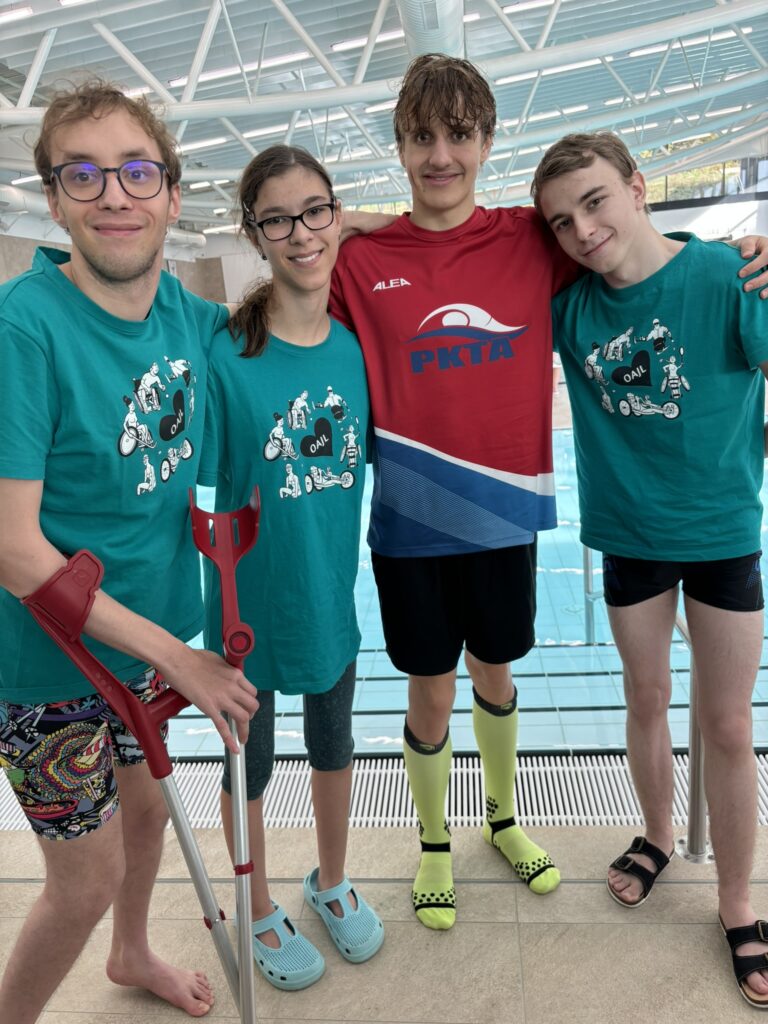
Para Swimming Is More Than a Sport — It's About Friendship
It’s about pushing limits, sharing the journey, and building bonds that go beyond the pool. Para swimming brings athletes together through resilience, respect, and lifelong friendship.